Buy Kickstart


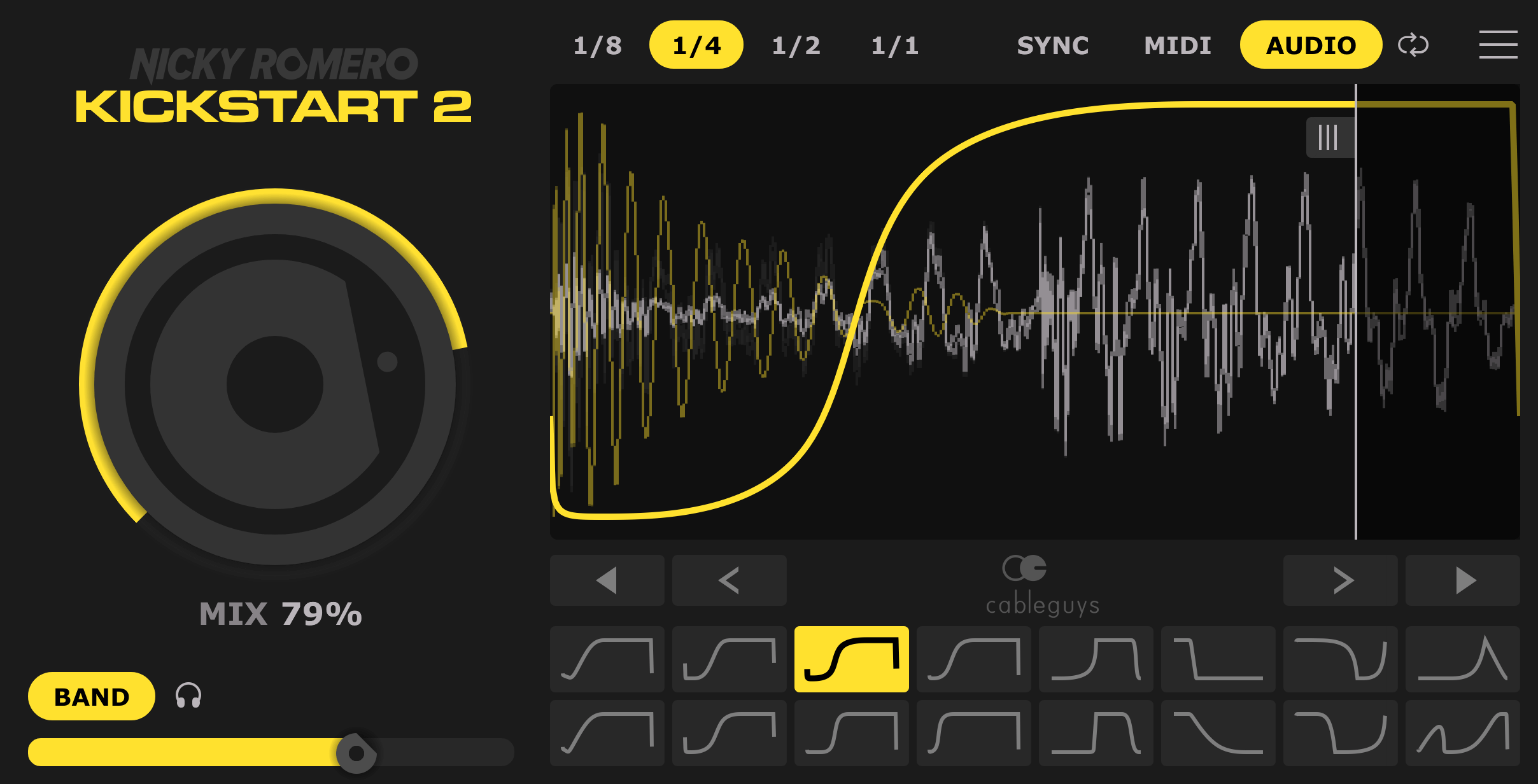
This plugin is life-changing. I’ve told Nicky it would be awesome to make the bass & duck communicate, and he’s done it! Just by moving the slope, I have a perfect sidechain for my kick.

Mixing in 2022 is more important than ever, especially for dance floor tracks. The kick is the most important element in most dance tracks and it really needs a proper place in your mix. This new version gives more hands on tools to shape the place of your kick in the mix, to make sure it has the perfect impact on the dance floor! Essential!
A sidechain tool I've been looking for my whole life. Thank you Nicky for letting me help during the development of the plugin. It's a must have tool!
An already powerful tool just got even better. Kickstart 2 comes with insane flexibility and awaited new features. The perfect side-chain pump plug-in just arrived… and she’s gorgeous.
This plugin is life-changing. I’ve told Nicky it would be awesome to make the bass & duck communicate, and he’s done it! Just by moving the slope, I have a perfect sidechain for my kick.
Mixing in 2022 is more important than ever, especially for dance floor tracks. This new version gives more hands on tools to shape the place of your kick in the mix, to make sure it has the perfect impact on the dance floor! Essential!
A sidechain tool I've been looking for my whole life. Thank you Nicky for letting me help during the development of the plugin. It's a must have tool!
An already powerful tool just got even better. Kickstart 2 comes with insane flexibility and awaited new features. The perfect side-chain pump plug-in just arrived… and she’s gorgeous.
Kickstart 2 instantly solves the problem of clashing, muddled kick and bass.
Forget fiddling about with compressors – Nicky Romero and Cableguys put everything you need for professional sidechaining into one fast, easy plugin. Just drop Kickstart on any track to instantly duck the volume with each kick drum, creating space for your bass.
Now your kick and bass will punch right through the speakers with professional impact, definition and groove. Use it for EDM, trap, house, hip-hop, techno, DnB – anything.

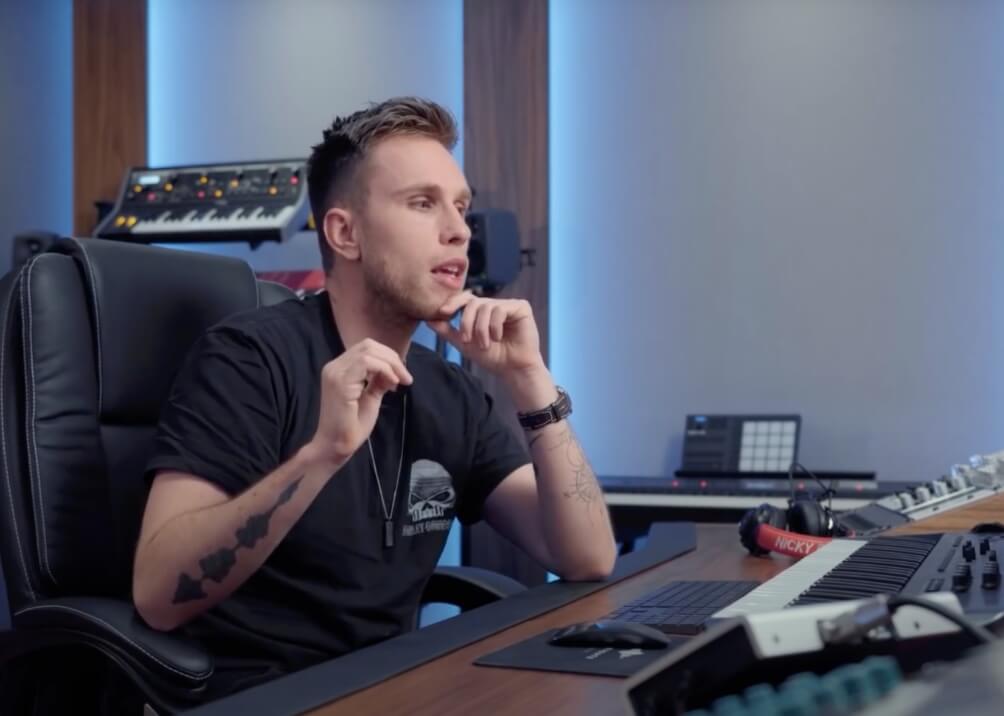

Use Kickstart in any DAW, for any style of music. EDM, trap, house, hip-hop, techno, DnB, and beyond
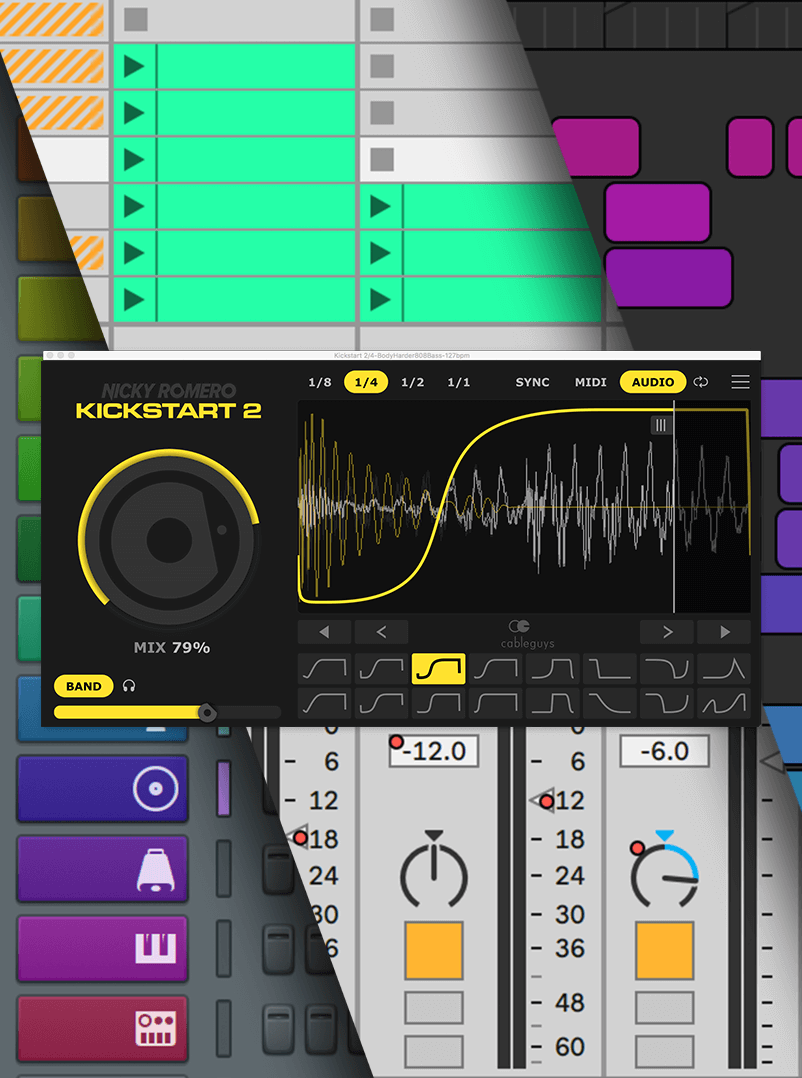
Add Kickstart – instantly get sidechain ducking, with no setup
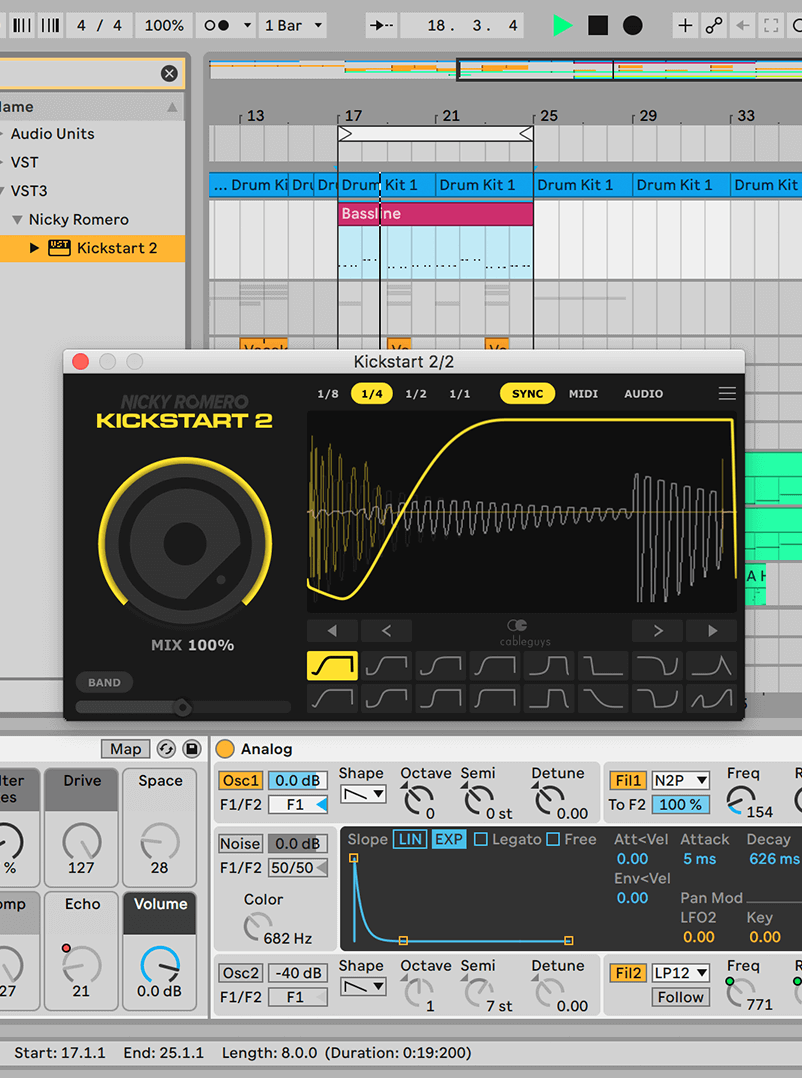
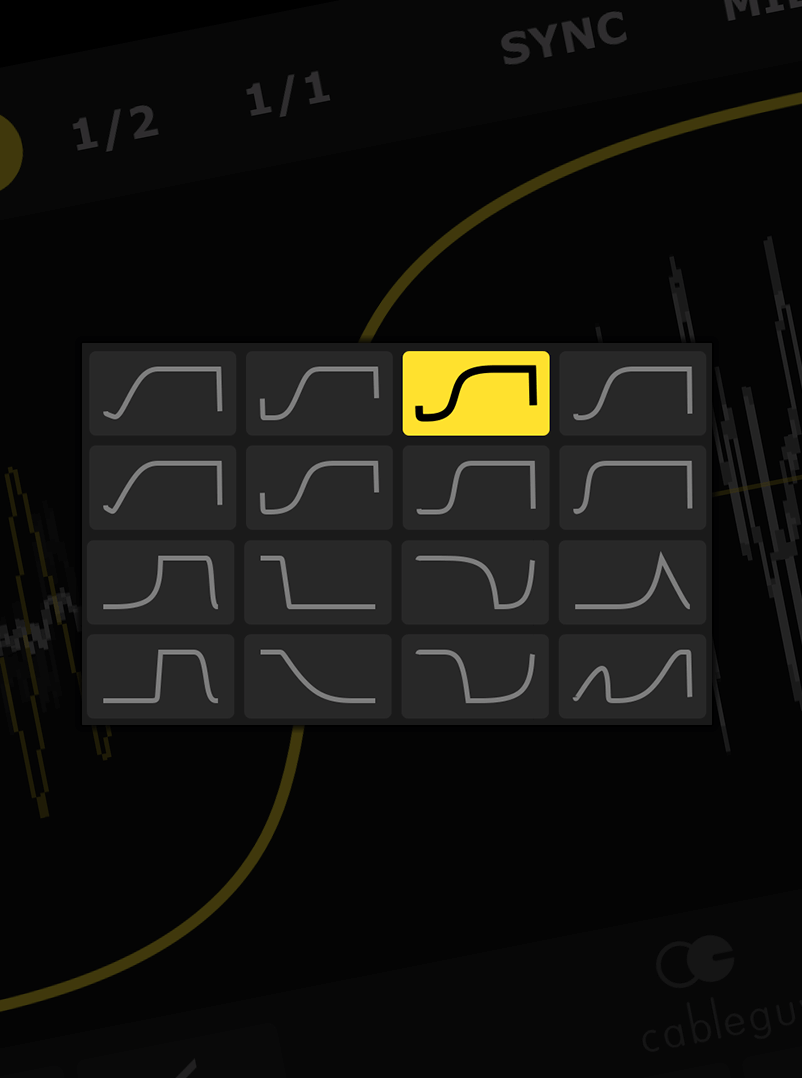
The exact curves Nicky Romero uses to get tracks sounding massive in the club We talk about safaris and telephoto lenses, but
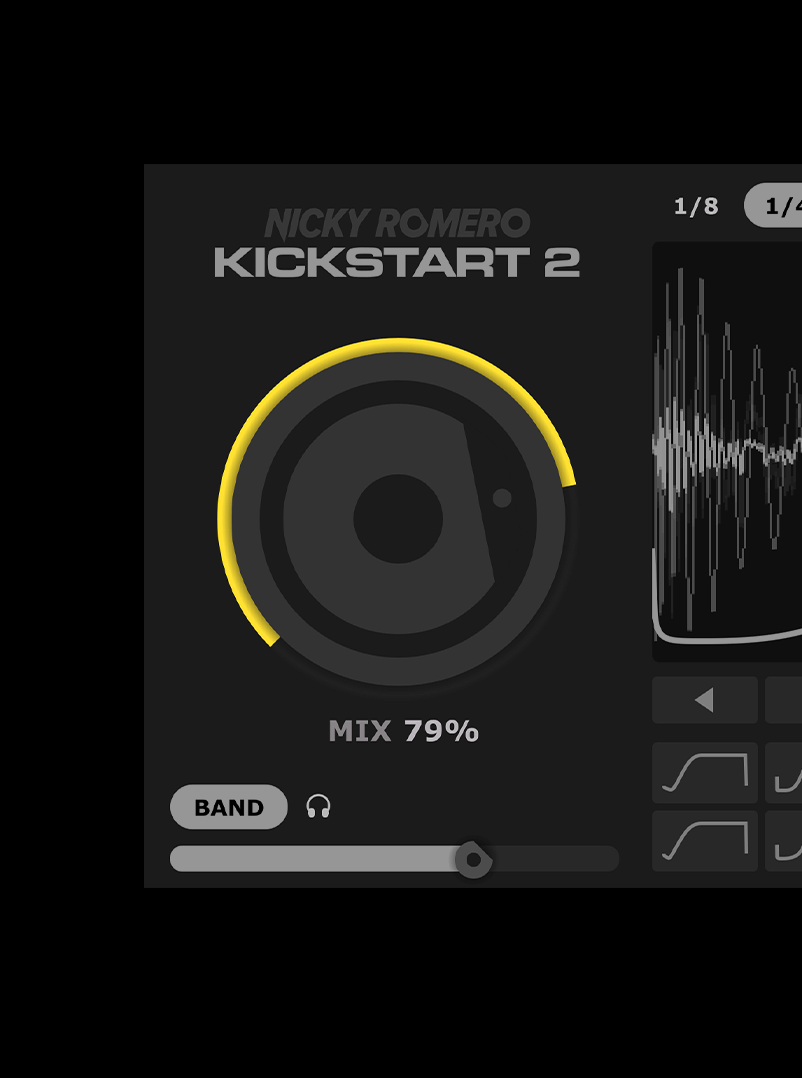
Easily adjust the strength of the sidechain effect to fit any mix
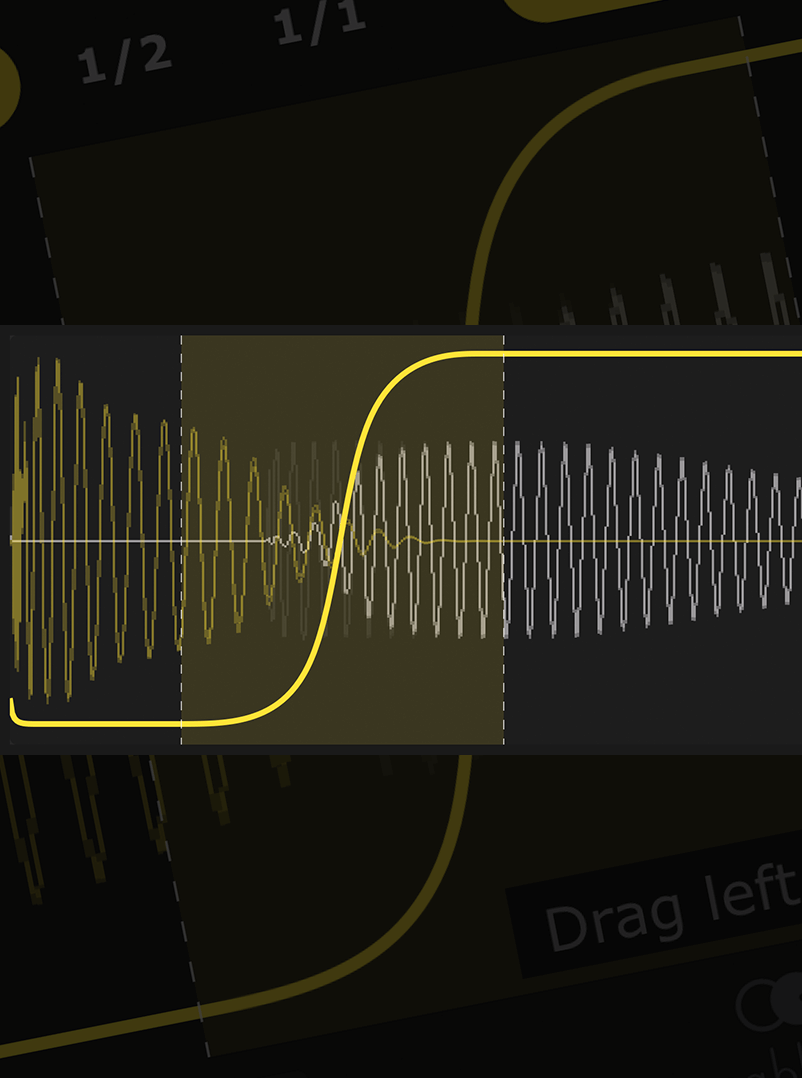
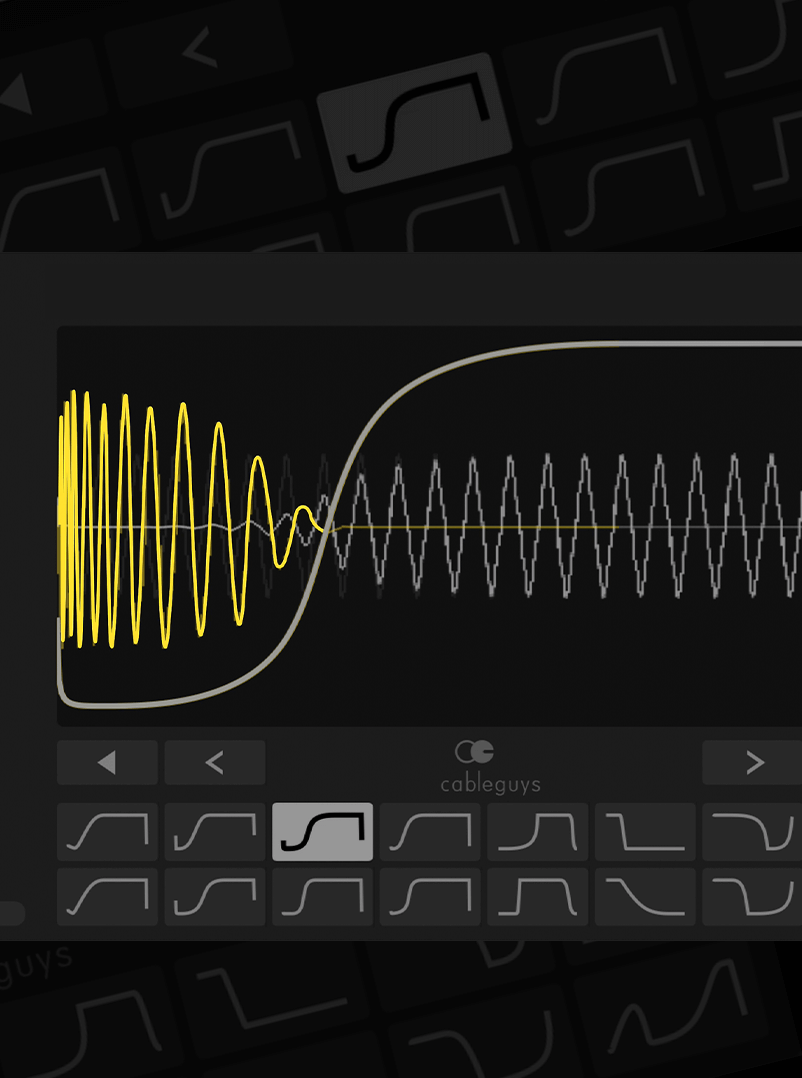
Forget complex editing tools – just drag the curve to fit any kick, long or short
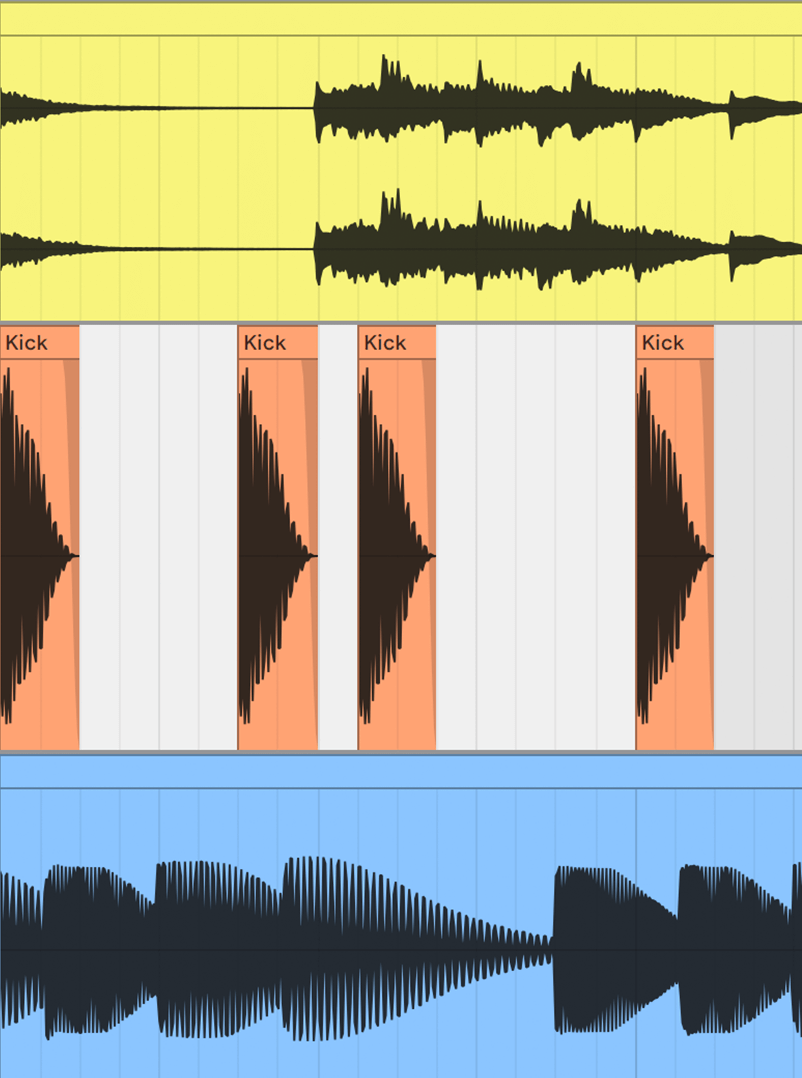
Kick not 4/4? No problem – Kickstart follows any kick pattern with new Cableguys audio triggering Art moves people in ways that raw data
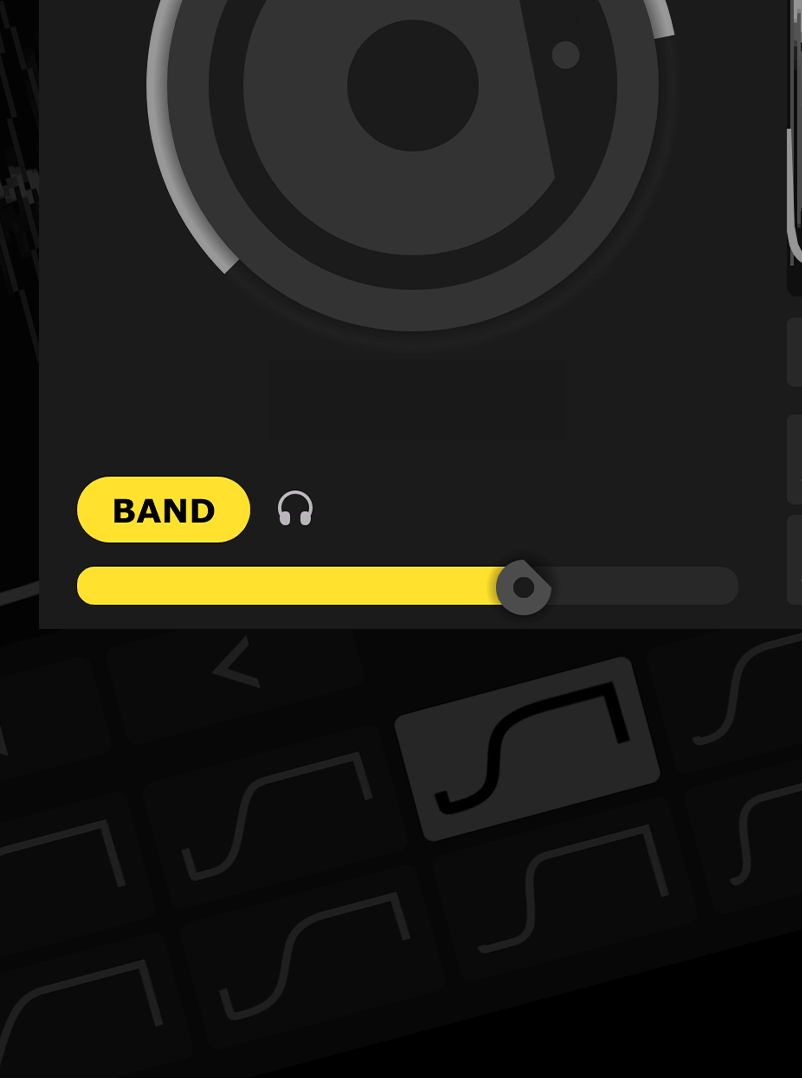
Easily duck only the lows of your bassline – the pros’ secret trick for tight bass with full frequencies
See kick and bass waveforms on the same display – get your lows locked tight like never before
We talk about safaris and telephoto lenses, but some of the most profound nature art is happening six inches from the ground.
Nature art has expanded far beyond traditional oil on canvas, embracing a hybrid world of mediums.
Wildlife photography and nature art carry a profound cultural purpose. Art moves people in ways that raw data and scientific statistics cannot.
The line separating wildlife photography from pure nature art has completely vanished. Capturing a wild animal or a sweeping landscape used to be about visual documentation. Today, it is an expressive art form that blends technical mastery with deep emotional storytelling.
This public link is valid for 7 days and shares a thread, including any personal information you added. This link or copies made by others cannot be deleted. If you share with third parties, their policies apply. Can’t copy the link right now. Try again later.
Perfectly suited for soft, atmospheric landscapes, mist-shrouded forests, and the delicate gradients of bird plumage.
Photographers must work within the constraints of reality. They deal with unpredictable weather, difficult lighting, and elusive subjects. Mastery requires understanding camera gear, shutter speeds, and telephoto lenses. A photographer must anticipate animal behavior to capture a split-second moment, making patience their most important asset.
Wildlife photography and nature art are not competing mediums; they are deeply collaborative.
Creators practice "Leave No Trace" principles. Trampling delicate flora to position a tripod or altering a natural habitat for a cleaner composition damages the very ecosystem the artist seeks to celebrate.
Sites hosting "shock" content are notorious for being unmoderated and often contain "click-trap" links that can infect your device with viruses or ransomware.
When people see a photograph of a polar bear stranded on a melting ice fragment, or a haunting painting of a deforested jungle, it sparks a visceral reaction that data and scientific reports cannot replicate. Famous campaigns, such as the photography of the International League of Conservation Photographers (iLCP), have successfully influenced policy makers to establish protected national parks and pass marine conservation laws.
Successful shots often require hours or days of waiting. Photographers use camouflage and specialized gear to blend in without disrupting natural behaviors.
Due to long exposure times, early "wildlife" photos often featured taxidermy or captive animals posed to look alive. The Technological Leap: