Users often search for "Shinseki no Ko to O Tomari Dakara" as a direct reference to specific social media edits or fan-translated snippets. However, for the most accurate official updates, trailers, and episode guides, it is recommended to search using the title .
Represents users searching for a secondary title, an officially licensed name, or a Western release alternative. Origins and Global Social Media Viral Wave
The long romaji phrase can be broken down into literal Japanese terms that hint at its slice-of-life and mature themes: shinseki no ko to o tomari dakara de na name updated
If they say they miss their parents, acknowledge it. "I know it’s hard being away from Mom, but we are going to have so much fun tomorrow, too!"
Abstract The phrase “shinseki no ko to o tomari dakara de na” (親戚の子と泊まりだからでな) roughly translates to “because I’m staying over with a relative’s child.” Though seemingly mundane, this simple line contains a surprisingly rich seam of cultural, emotional, and narrative possibilities. In this essay I will treat the expression as a literary prompt, unpack its layers of meaning, and then sketch a modern, “updated” story that shows how a brief overnight stay can become a catalyst for personal transformation, inter‑generational dialogue, and a re‑examination of what “family” means in today’s Japan and beyond. Users often search for "Shinseki no Ko to
Keeping track of shifting titles can be a headache, but for fans of , the update is a sign that the series is still very much alive and gaining traction. Make sure to update your bookmarks so you don't miss the next chapter!
Fans frequently encounter broken links or dead ends when trying to locate official episodes or manga chapters using localized phonetic translations. The phrase "name updated" in the search string stems from a few specific internet phenomena: 1. Social Media Censorship Dodging Origins and Global Social Media Viral Wave The
In Japanese society, omotenashi —the art of anticipating a guest’s needs—has long been intertwined with a subtle sense of duty. When a family member invites another to “stay the night,” the gesture is both a sign of affection and an implicit contract: the host must provide a comfortable bed, food, and a warm atmosphere; the guest, in turn, must respect the house rules and express gratitude.
Turn off the lights and use flashlights to tell stories or create shadow puppets.
While initially appearing as a lighthearted or domestic slice-of-life anime, the title often prompts heavy debate and intense discussion regarding its underlying themes, artistic tropes, and target audience. Decoding the "Name Updated" Phenomenon
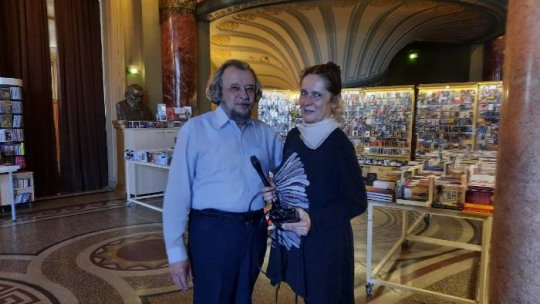
Prin noua haină muzicală pe care o îmbracă graţie inspiraţiei marelui compozitor Sabin Păutza avem din nou prilej să căutăm...

RadioDoc din 17 februarie 2022 - cu pianista Sînziana Mircea.
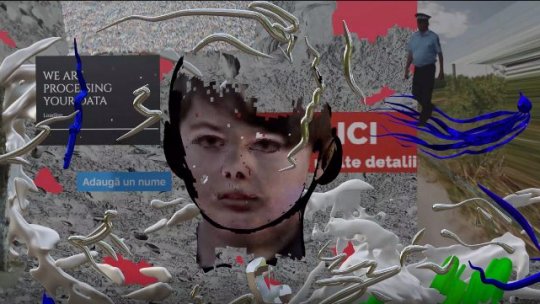
Metaverse-ul bate la ușă și, de data aceasta, nu ca spațiu versatil dintr-un roman cyberpunk.
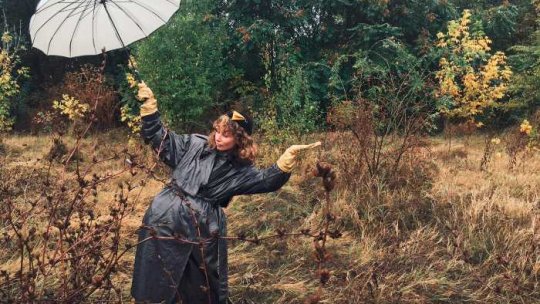
Aflăm povestea întâlnirii cu natura, în toamna 2021, împreună cu Andreea David , Raluca Oancea Nestor și toți ce li s-au...
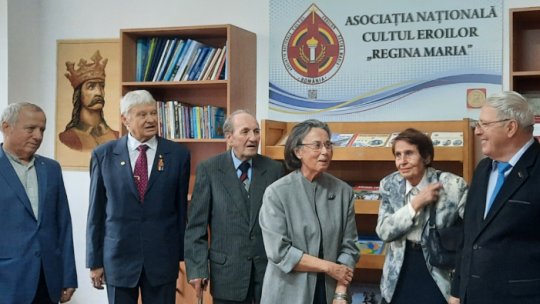
Istoria, eroii acestui pământ, arhivele , momumentele, memoria, cărțile , recunoașterea, premiile, ștafeta transmisă unei noi...

Din perspectivă culturală, secolul al XVIII-lea este pentru Transilvania secolul conectării la pulsul occidental, un secol al...