When readers search for "Yuna" in relation to this series, they are looking up one of the most complex and heavily discussed characters in recent webtoon history.
Bruhn’s laughter when he watched was different now—thin, brittle. He started spreading rumors again, this time about the volunteers. He said some came from other towns with hidden motives, that the food had strings attached, that the center was a front. The message traveled faster than truth. A chair once occupied by trust became a vacant bench.
In traditional coming-of-age fiction, the home is a safe haven from external conflicts like bullying. When an antagonist infiltrates the home or attempts to influence a parent, that boundary is shattered. This creates a sense of claustrophobia and urgency for the main character. 2. Manipulation and Deception my bully tries to corrupt my mother yuna introv top
If you are a writer or game developer looking to create content for this keyword, here is your blueprint.
Given that "Yuna" and "Introv Top" are not mainstream public figures, the most helpful approach is to treat this as a for a trending niche genre: psychological drama/teen revenge stories where the antagonist targets the protagonist's family. In this case, Yuna is the mother, and the bully is trying to "corrupt" her to get to you. When readers search for "Yuna" in relation to
Remind the mother of your history and trust. Final Thoughts
A protective yet naive figure who becomes the central target of the bully's manipulation. He said some came from other towns with
For casual onlookers, terms like "Introv" and "Top" attached to the title might seem confusing. However, in the world of online comic distribution and scanlation communities, these words carry specific meanings:
Word moved faster than violence. Someone had filmed the punch on a shaky phone. The clip made its way to parents and teachers and to Yuna, who sat with the cup of tea she carried every morning and watched me rise from the pavement on that grainy screen. She didn’t react with grand words. She folded the paper towels she’d brought from the center and kissed my temple like one might press a seam into place.
When I brought my folder to Yuna, she set down her cup and let me lay out the pieces. She didn’t need proof to believe; she had always trusted the kindness of people. But she understood the usefulness of paper. Together we compiled letters from those whose lives the center had touched: the woman who’d found work through a volunteer’s advice; the teenager who learned a trade in the sewing circle; the elderly neighbor who claimed the lunch saved his week. We turned whispers into narratives.
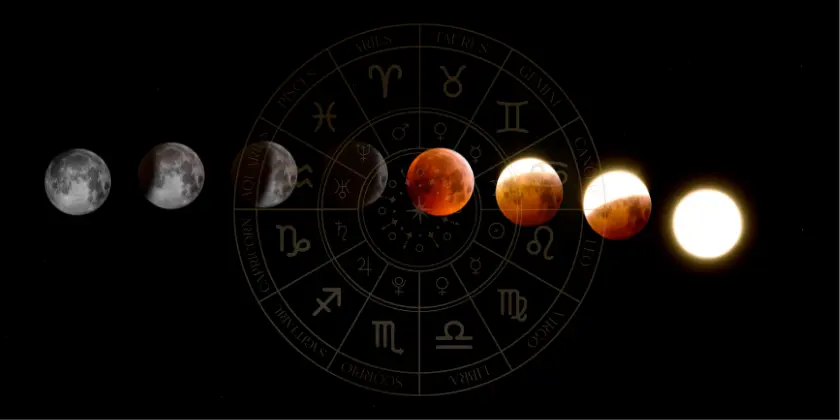 Total Lunar Eclipse : 3rd March 2026
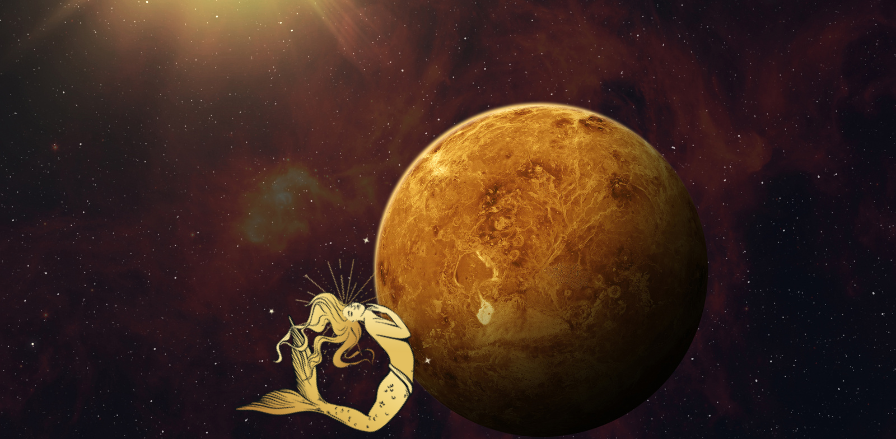 Venus Transits Pisces, 2 March 2026 till 26 March 2026
 Mercury Transit and Mercury Retrograde in Aquarius
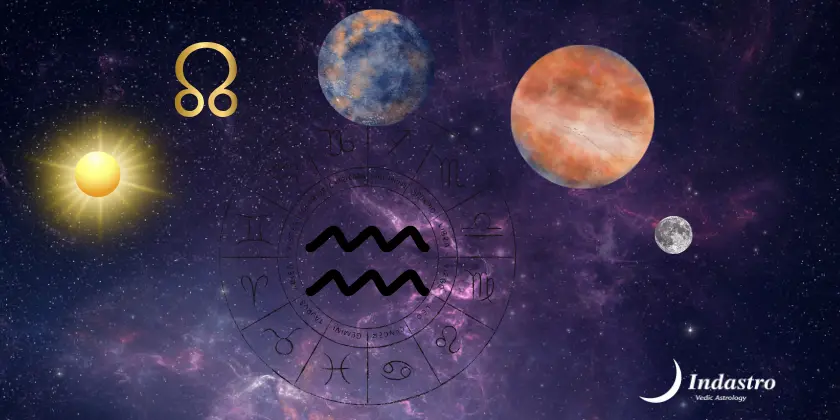 The Effect of Solar Eclipse and the 5 Planet Conjunction on 17 February 2026
 Mercury Transits Sagittarius, 29 Dec 2025 till 17 Jan 2026