SysInfo is an application for Motorola 680x0 based Classic Amiga and is used for getting information about the system like OS and library versions, hardware revisions and stuff.
Exactly 19 years after version 3.24 of SysInfo it's time for an update! The original author Nic Wilson has kindly given me permission to continue the maintenance of this old classic.
A
If you want information when new versions of SysInfo is available, please subscribe here.
Download latest Beta or Release Candidate here, please report bugs and feature requests:
The benchmark results provided by SysInfo is currently not verified on M68060 Amigas and useless in emulators set up to emulate faster than early classic amigas!
Two reports of 1 MB ECS Agnus (NTSC 8372A) identified as a 2 MB Agnus.
When using tools to rearrange windows, "dialogs" can be put behind the main window.
In WinUAE, when enabling "Fast as possible" & JIT it craches after Speed test when scrolling the libraries list.
I want more bug reports! Mail it to SysInfo (at) d0.se or use the contact form.
Changed handling of speed numbers, if big, don't print decimals
Replaced "Chip Speed vs A600" algoritm to use a lot less instructions and a lot more CHIP mem accesses resulting in a more relevant value. This results in significantly lower value for machines with instruction cache (68020+), which is more accurate because instruction cache should not affect CHIPMEM access speed.
Added support for AC68080 frequenc support
Update will no longer try to open 68040/68060.library when there is no such CPU
Bugfix: 68040/68060 non FPU guru fixed, again!
Lots of updates/corrections in the SysInfo.guide documentation.
The DRIVES/SCSI function was not 'Close'ing each drive that it 'Open'ed after the function was finished.
Memek Sma Images 39link39 Patched !link! -
For major platforms managing high volumes of editorial imagery, maintaining these media asset pipelines ensures that imagery loads rapidly across all consumer devices. This infrastructure is particularly critical for fast-paced lifestyle and entertainment hubs that depend on high-definition visual storytelling to engage audiences. Visual Representation: Transforming SMA Imagery
By populating streaming platforms, films, and fashion campaigns with authentic imagery, the entertainment industry helps normalize disabled lifestyles. It shifts public perception from passive sympathy to an understanding that disabled individuals are active consumers, creators, and leaders within popular culture.
When we talk about a "lifestyle" built around these images, we are talking about: Curating high-end aesthetic digital environments.
The keyword contains elements that resemble a fragmented URL or internal code (e.g., 39link39 often represents an apostrophe in HTML encoding, and sma images could refer to "Social Media Analytics images," "SMA connector diagrams," or a typo for "SMA [Something]"). It is likely that this phrase is either: For major platforms managing high volumes of editorial
A quick look at the types of SMA-related stock images available shows this shift in action. You'll find images of:
Modern advocacy organizations and media databases are replacing sterile clinical graphics with vibrant, authentic portraits of daily life. Major image platforms such as Getty Images and Shutterstock have expanded their collections to feature individuals with SMA participating in: Active theater rehearsals and creative arts production. Civic activities, community leadership, and voting. Independent travel, adaptive gaming, and family dynamics. Community-Led Media Asset Movements It shifts public perception from passive sympathy to
Images are curated to inspire, featuring trends in home design, fashion, and travel that feel both aspirational and attainable.
The article will have the following sections:
If you have more specific information or a different context for "SMA Images," "39link39," and how they relate to lifestyle and entertainment, I could provide a more targeted response.


 APPS
APPS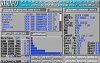
 download