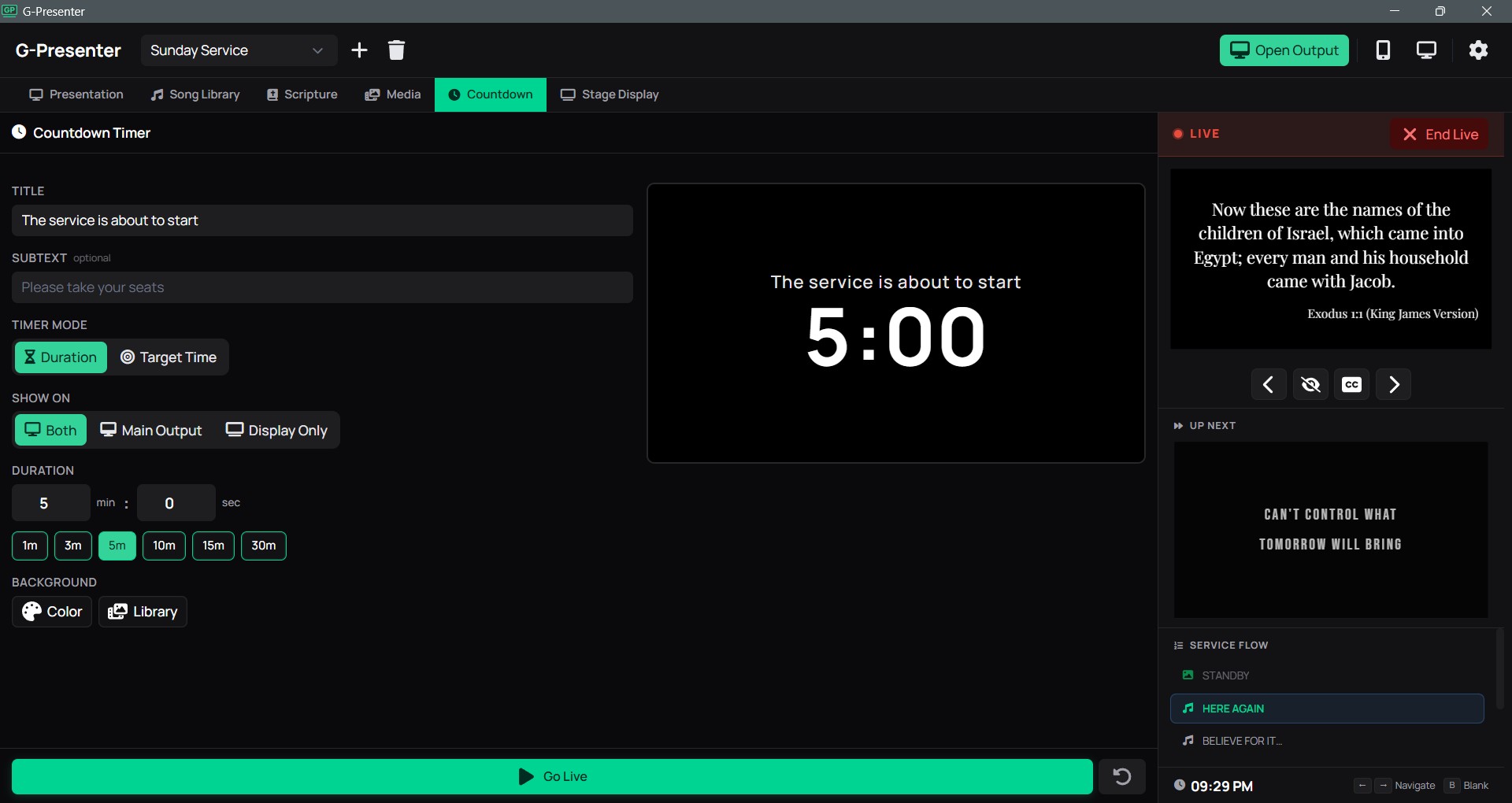
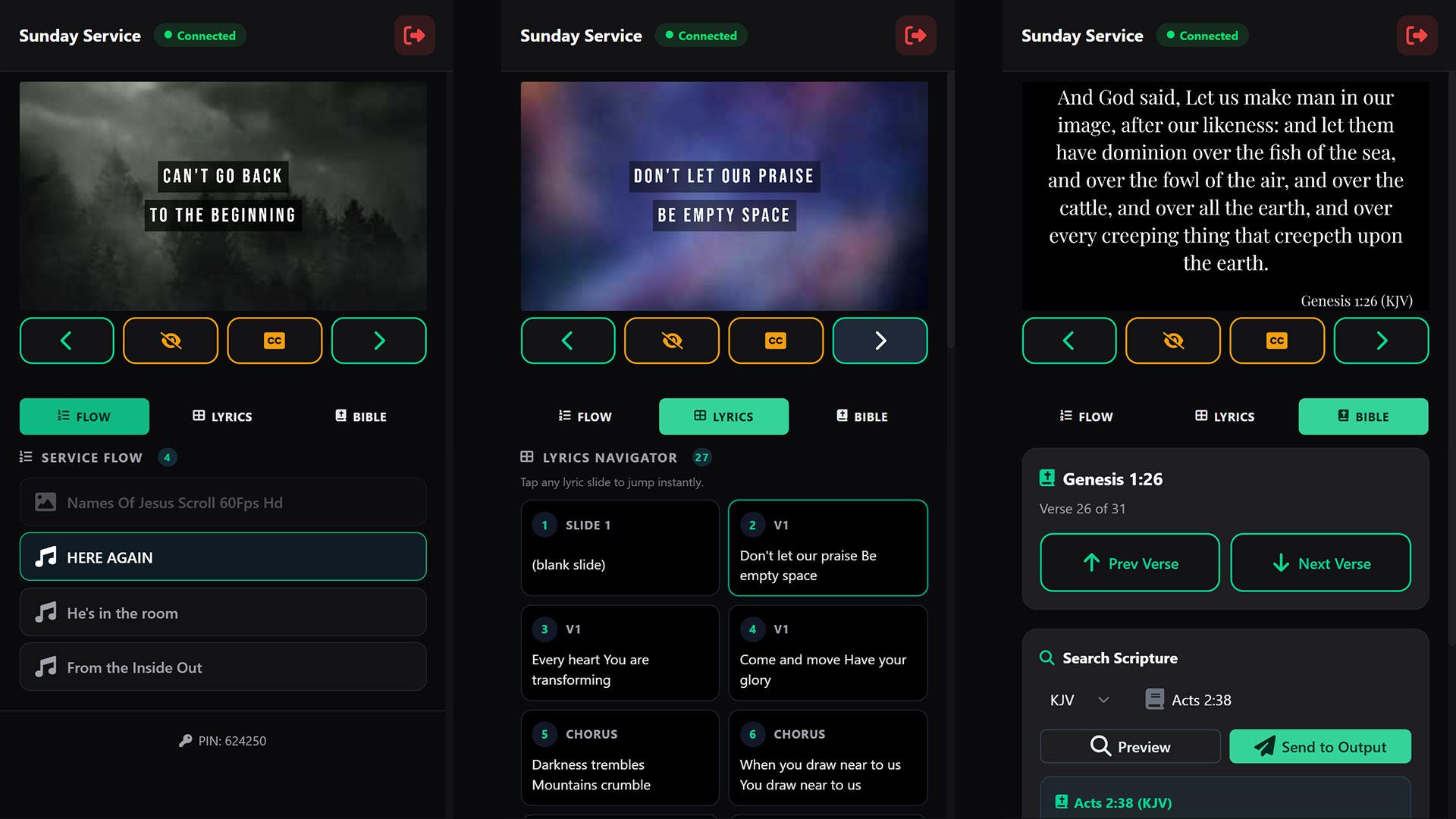
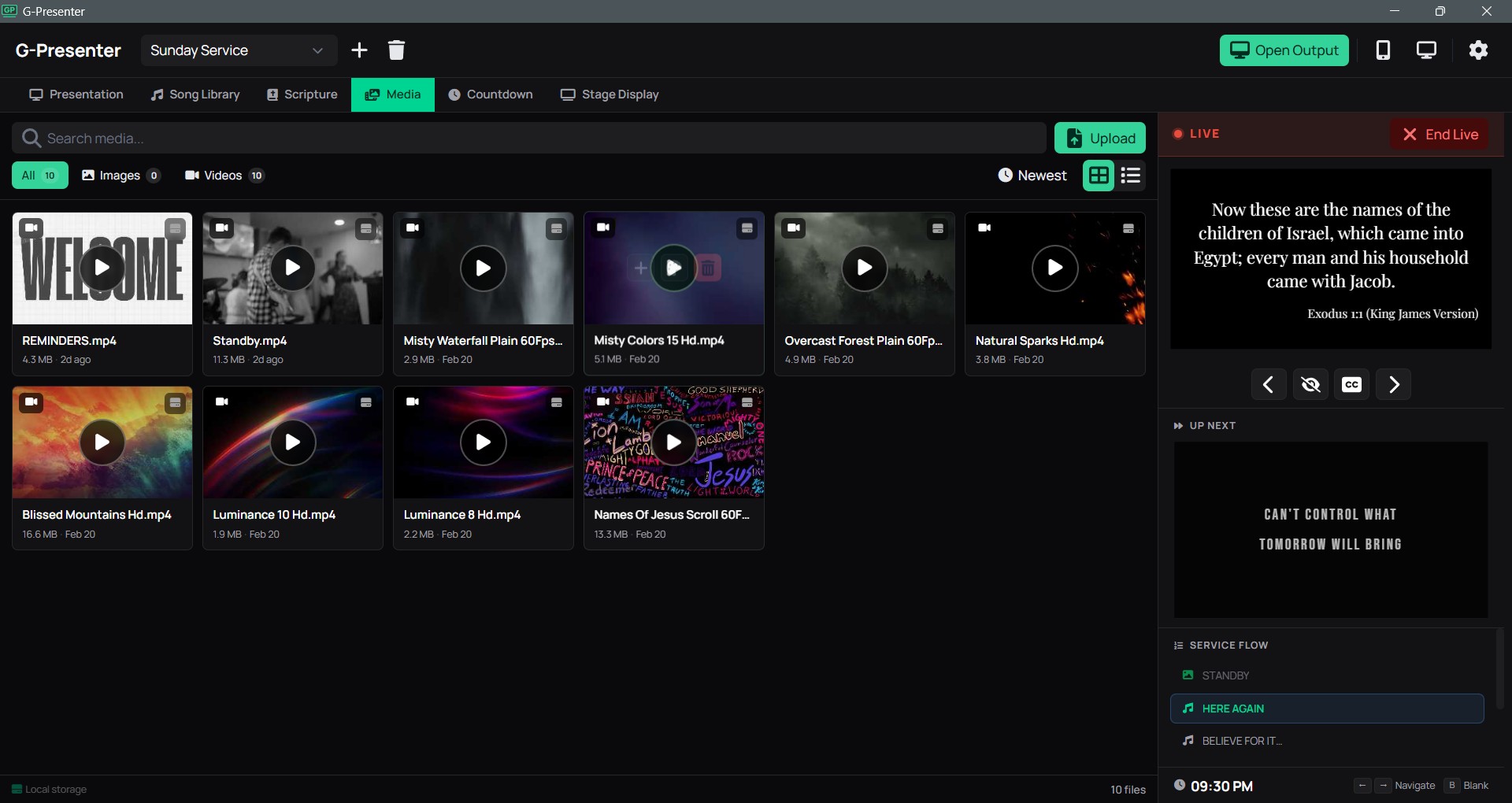
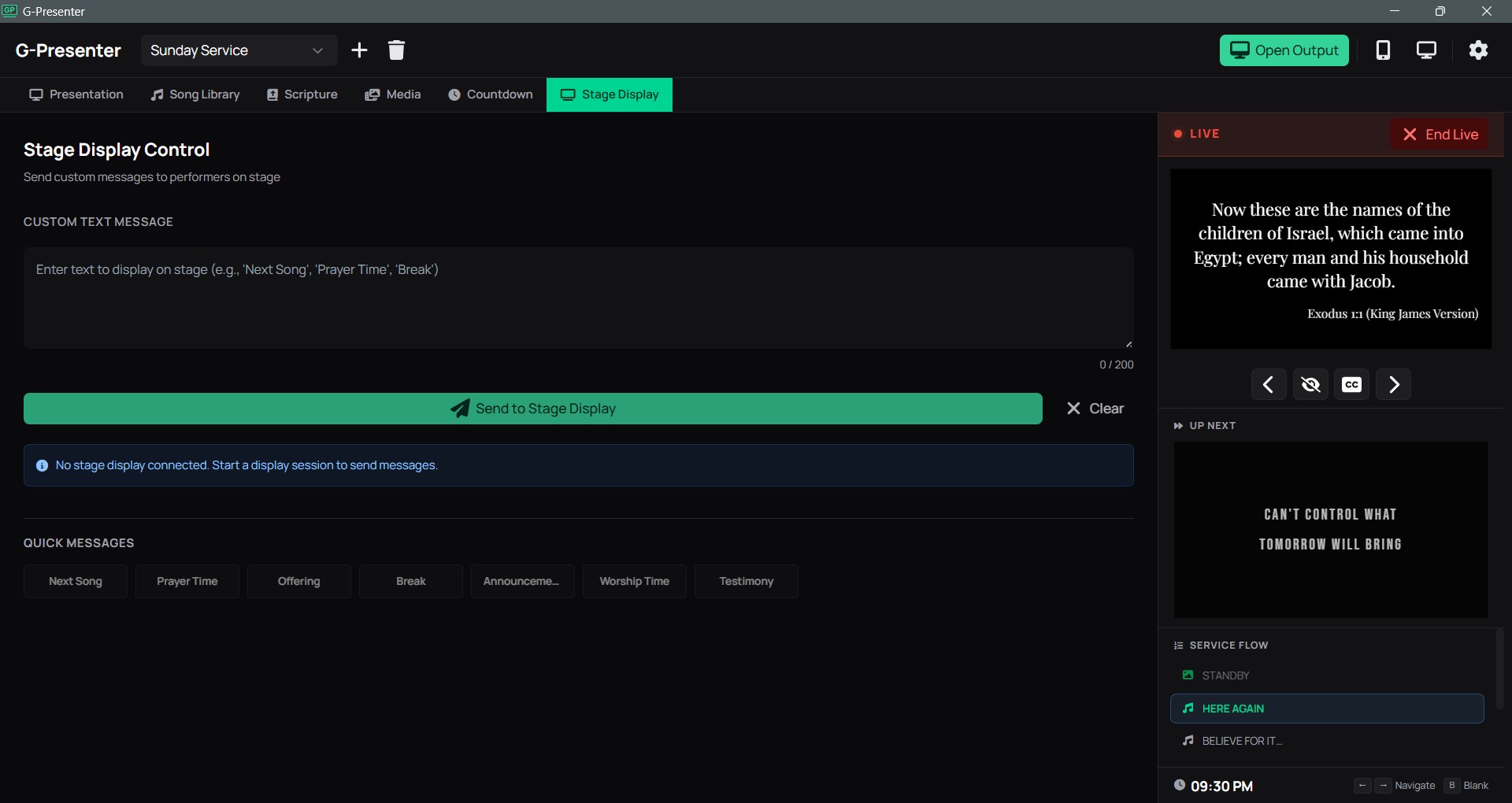
Local-First Worship Software
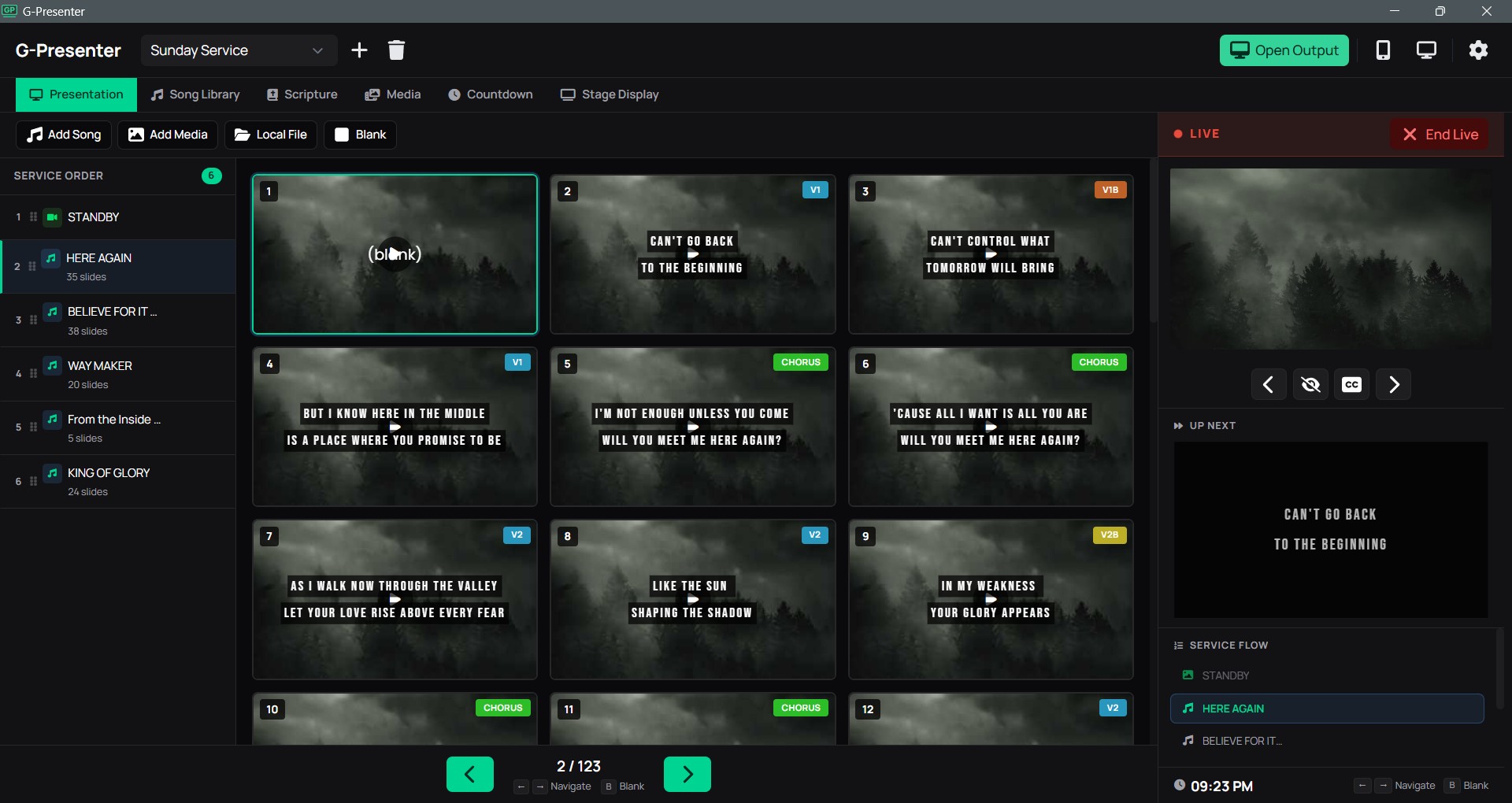
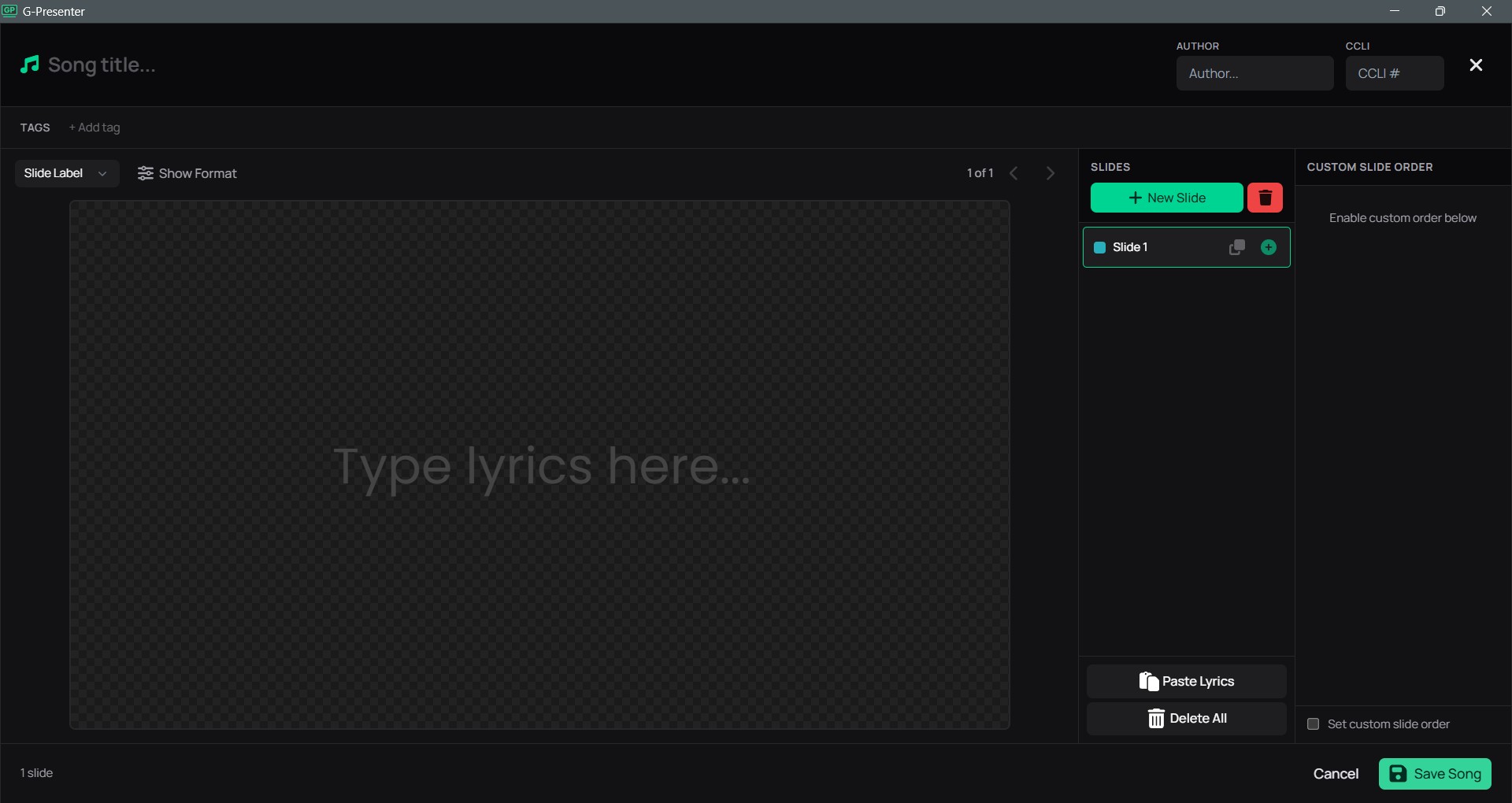
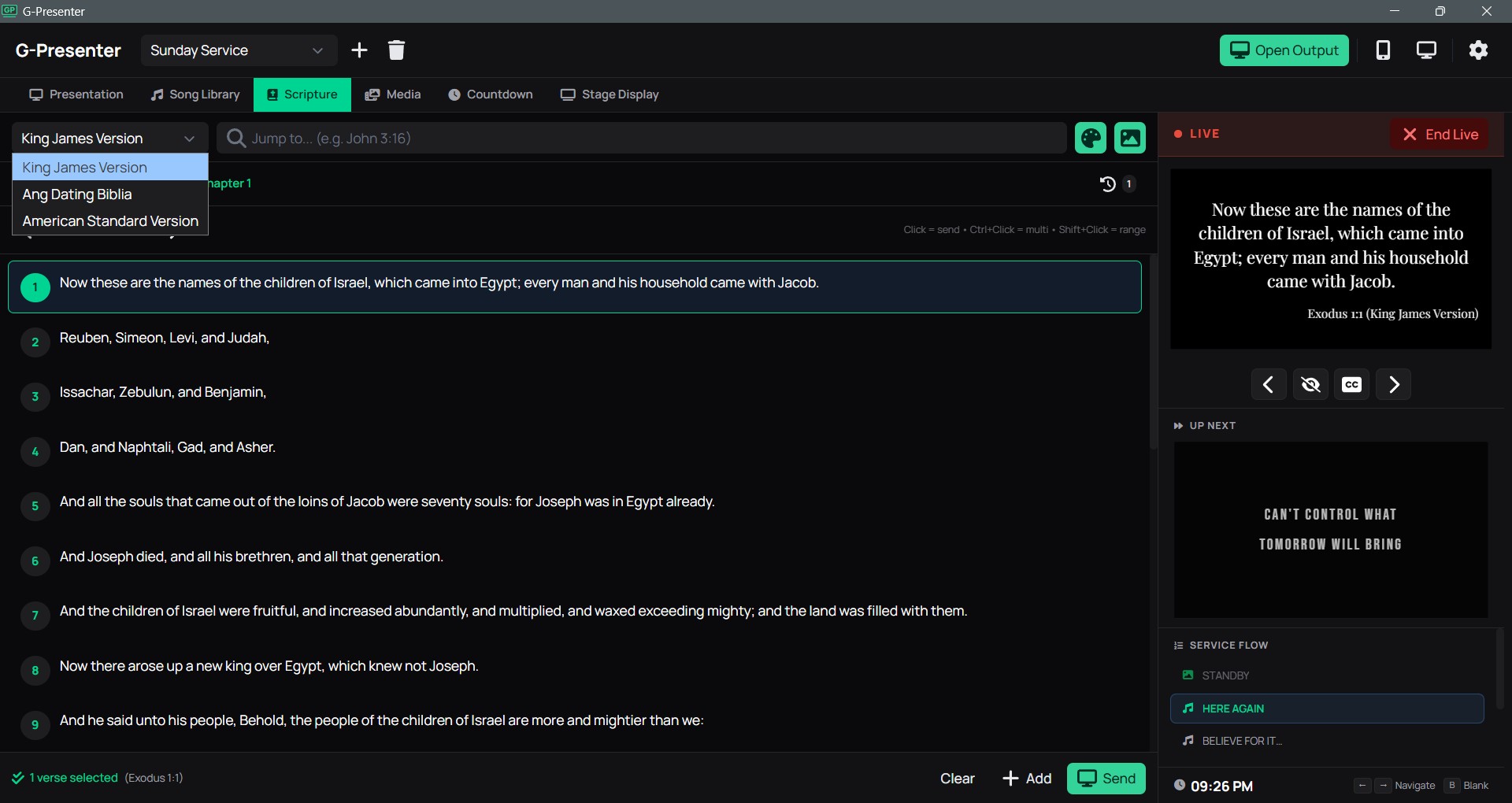
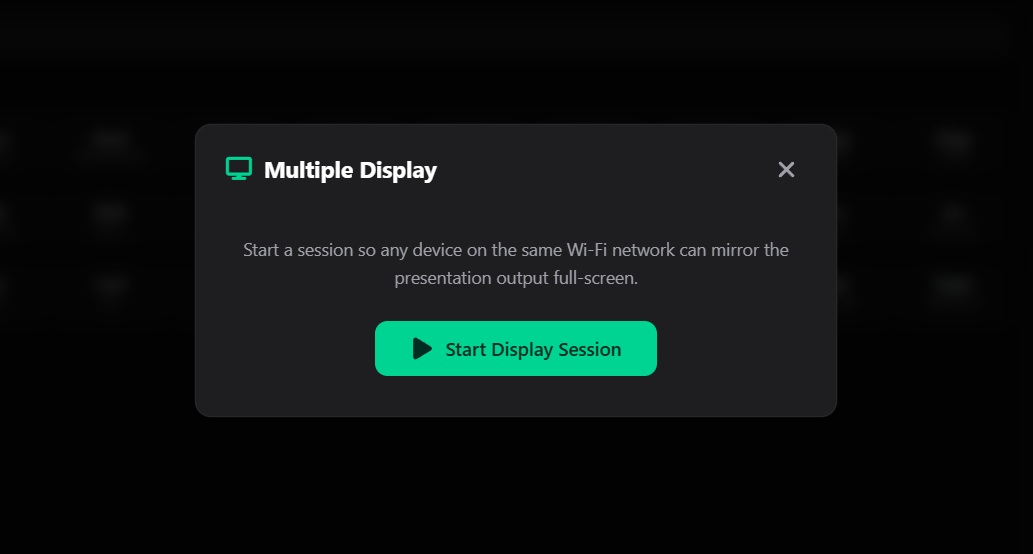
G-Presenter is a worship presentation app built for simplicity. Manage songs, display Bible verses, set backgrounds, and sync to extra screens over your local network. No account required. Nothing stored in the cloud.
No account required. No subscription.
Game Dev Story 1997 Site
Chrono-Gaming: The Legacy of Game Dev Story (1997) The year 1997 stands as a monument in video game history. Gamers witnessed the release of Final Fantasy VII , GoldenEye 007 , and Castlevania: Symphony of the Night . Amidst these industry-shifting giants, a small Japanese developer named Kairosoft quietly laid the bricks for a different kind of revolution. They released a PC simulation game called Game Dev Story (originally Game Dev Story DX ). It tasked players with running their own video game studio, managing creators, and surviving the brutal cycles of the gaming marketplace.
The gameplay is simple yet addictive. You'll start by creating a game development studio with a single employee. As you progress, you'll hire more employees, each with their own strengths and weaknesses. You'll assign tasks to your employees, such as programming, art, and design. The goal is to create hit games that will generate revenue and fame for your studio.
List the between the 1997 PC version and the mobile port. Recommend similar retro sims from the late 90s. game dev story 1997
Game Dev Story 1997 was released in Japan in 1997 for the Super Famicom, with a limited international release following shortly after. The game received critical acclaim for its innovative gameplay, addictive nature, and surprisingly realistic portrayal of the game development process.
Kairosoft capitalized on this real-world drama by turning it into mechanics. In the 1997 version of the game, players navigated parodies of these exact hardware shifts. You had to choose whether to develop games for the costly, dominant "Sonnypoly Station" or take a gamble on the fading "Neon-Geo." By mirroring the real-life anxieties of developers during the 3D transition, Game Dev Story offered an incredibly satisfying, meta-layered experience for the tech-savvy PC gamers of the time. Core Gameplay: The Anatomy of a Pixelated Masterpiece Chrono-Gaming: The Legacy of Game Dev Story (1997)
The as a pioneer in the indie simulation market Tell me how you would like to expand this topic! Share public link
Recruiting staff like writers, coders, and sound engineers. They released a PC simulation game called Game
When developing a game, players must combine a (e.g., RPG, Shooter, Racing) with a Type (e.g., Ninja, Robot, Historical). In 1997, discovering a "Charming" or "Amazing" combination felt like cracking a secret code. Once development begins, points are dynamically allocated into four categories: Fun: Dictates how much consumers will enjoy the gameplay. Creativity: Determines the uniqueness and artistic value. Graphics: Reflects the visual fidelity of the title. Sound: Measures the quality of the audio and score. 3. The Critical and Commercial Gauntlet
The legacy of Game Dev Story 1997 cannot be overstated. It pioneered the "company management" sub-genre of simulation games. Without its success on the PC in the late 90s, Kairosoft might never have transitioned to the mobile market, where the game truly found its global audience. For fans of the series, looking back at the 1997 original is like looking at a blueprint for perfection. It proves that a great gameplay loop—finding that perfect combination of genre and type to create a "masterpiece"—is timeless.
Hand-painting textures that look like mud up close but like "next-gen" stone from three feet away. The Writer:
The Genesis of the Simulation: How Game Dev Story 1997 Laid the Blueprint for Tycoon Gaming
Chrono-Gaming: The Legacy of Game Dev Story (1997) The year 1997 stands as a monument in video game history. Gamers witnessed the release of Final Fantasy VII , GoldenEye 007 , and Castlevania: Symphony of the Night . Amidst these industry-shifting giants, a small Japanese developer named Kairosoft quietly laid the bricks for a different kind of revolution. They released a PC simulation game called Game Dev Story (originally Game Dev Story DX ). It tasked players with running their own video game studio, managing creators, and surviving the brutal cycles of the gaming marketplace.
The gameplay is simple yet addictive. You'll start by creating a game development studio with a single employee. As you progress, you'll hire more employees, each with their own strengths and weaknesses. You'll assign tasks to your employees, such as programming, art, and design. The goal is to create hit games that will generate revenue and fame for your studio.
List the between the 1997 PC version and the mobile port. Recommend similar retro sims from the late 90s.
Game Dev Story 1997 was released in Japan in 1997 for the Super Famicom, with a limited international release following shortly after. The game received critical acclaim for its innovative gameplay, addictive nature, and surprisingly realistic portrayal of the game development process.
Kairosoft capitalized on this real-world drama by turning it into mechanics. In the 1997 version of the game, players navigated parodies of these exact hardware shifts. You had to choose whether to develop games for the costly, dominant "Sonnypoly Station" or take a gamble on the fading "Neon-Geo." By mirroring the real-life anxieties of developers during the 3D transition, Game Dev Story offered an incredibly satisfying, meta-layered experience for the tech-savvy PC gamers of the time. Core Gameplay: The Anatomy of a Pixelated Masterpiece
The as a pioneer in the indie simulation market Tell me how you would like to expand this topic! Share public link
Recruiting staff like writers, coders, and sound engineers.
When developing a game, players must combine a (e.g., RPG, Shooter, Racing) with a Type (e.g., Ninja, Robot, Historical). In 1997, discovering a "Charming" or "Amazing" combination felt like cracking a secret code. Once development begins, points are dynamically allocated into four categories: Fun: Dictates how much consumers will enjoy the gameplay. Creativity: Determines the uniqueness and artistic value. Graphics: Reflects the visual fidelity of the title. Sound: Measures the quality of the audio and score. 3. The Critical and Commercial Gauntlet
The legacy of Game Dev Story 1997 cannot be overstated. It pioneered the "company management" sub-genre of simulation games. Without its success on the PC in the late 90s, Kairosoft might never have transitioned to the mobile market, where the game truly found its global audience. For fans of the series, looking back at the 1997 original is like looking at a blueprint for perfection. It proves that a great gameplay loop—finding that perfect combination of genre and type to create a "masterpiece"—is timeless.
Hand-painting textures that look like mud up close but like "next-gen" stone from three feet away. The Writer:
The Genesis of the Simulation: How Game Dev Story 1997 Laid the Blueprint for Tycoon Gaming